


Podcast
Menopause changes your skin, not overnight, but gradually and noticeably. Skin that once felt firm, hydrated, and smooth might start feeling dry, thin, or suddenly reactive. What used to work may no longer deliver the same results, and that can feel frustrating.
The good news is that your skin isn’t giving up. It’s adapting. And with the right care, you can support it through the changes and keep it looking healthy and comfortable.
This guide breaks down what happens to your skin during menopause, why it happens, and how to build a routine that works with these changes, not against them.
Key Notes
- Estrogen loss reduces collagen, hydration, and skin thickness post-menopause.
- Dryness, sensitivity, and pigmentation are common — and treatable with the right routine.
- Ceramides, peptides, and hyaluronic acid help repair and hydrate menopausal skin.
- Retinoids and SPF support firmness and even tone, but must be used gently.
- Lifestyle factors like diet and sleep significantly influence skin condition during menopause.
What Menopause Does to Your Skin
Hormonal shifts are behind most of the changes you see and feel. Estrogen plays a major role in maintaining skin health, from hydration to collagen production. When estrogen levels drop, the effects show up in several ways.
Hormone Drop — Estrogen, Collagen & Elastin Decline
Estrogen supports the production of collagen and elastin, the proteins that keep skin firm and bouncy. As hormone levels fall, the skin loses some of that structure. Collagen declines by about 30% in the first five years after menopause. This contributes to fine lines, sagging, and thinner skin overall.
Thinner Skin & Reduced Natural Hydration
Skin starts producing less sebum (natural oils) and holds onto moisture less effectively. The result is dryness — not just on the face, but often on the neck, chest, arms, and legs too. You might feel like your skin soaks up moisturiser quickly but still feels dry again in a few hours.
Increased Sensitivity, Irritation, and Slower Healing
The skin barrier weakens with age and hormonal changes. This makes it more reactive to products that never used to be a problem. Redness, flaking, or a tight feeling can happen even after a basic routine. Skin also takes longer to heal from minor injuries or inflammation.
Key Skin Concerns During Menopause
Not everyone will experience every change, but these are some of the most common issues during and after menopause.
Dryness, Tightness, and Flakiness
This is the most reported concern. Your skin may look dull, feel tight, or even itch, especially after washing. Traditional gel cleansers or lightweight lotions may no longer be enough.
Fine Lines, Sagging & Volume Loss
As collagen and fat under the skin decrease, facial contours shift. You might notice hollowing under the eyes, softening around the jawline, or new lines around the mouth.
Dark Spots, Uneven Tone, Pigmentation
Melanin production becomes unpredictable. Some people develop more age spots or hyperpigmentation, especially if sun protection hasn’t been consistent in the past.
Adult Acne or Breakouts
Menopause doesn’t mean the end of breakouts. In fact, hormonal fluctuations can cause new or stubborn acne around the jawline and chin, especially in early stages of menopause.
Ingredients & Products That Support Menopausal Skin
Not all products need to be replaced, but some ingredients become more helpful and some need to be avoided or used differently.
Humectants — Hyaluronic Acid, Glycerin
These draw moisture into the skin and help hold it there. They don’t clog pores or feel greasy, making them ideal for dehydrated but sensitive skin.
Willa Krause A–Z Hyaluronic Skin Supplement: Full-Spectrum Support for Mature Skin
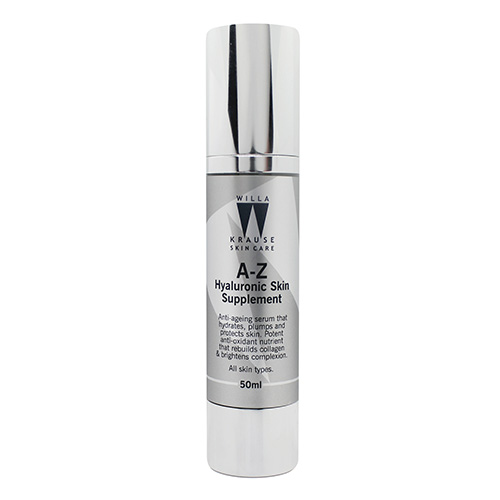
The A–Z Hyaluronic Skin Supplement from Willa Krause is a multi-action serum designed to tackle the visible signs of ageing while deeply hydrating and supporting skin health at every level. It’s not just a hydration booster — it’s a nutrient-rich skin treatment in one bottle.
This formula blends hyaluronic acid with a full range of essential vitamins (A, B3, B5, C, D, E, F) and skin-supportive minerals like copper, calcium, magnesium, and zinc. Together, these ingredients work to smooth the appearance of deep wrinkles, restore elasticity, and brighten dull or uneven skin tone.
It’s especially helpful for mature, tired, or stressed skin, but works well on all skin types thanks to its balanced formulation. Whether you’re dealing with dryness, visible ageing, or just want to support long-term skin resilience, this serum delivers hydration, repair, and protection in a single, targeted step.
Barrier Repair Ingredients — Ceramides, Niacinamide, Peptides
Ceramides help rebuild the lipid layer that holds the skin barrier together. Niacinamide can soothe redness and support repair, while peptides may help improve elasticity over time.
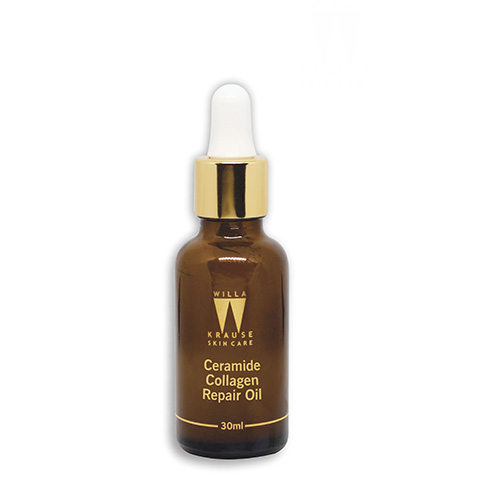
Willa Krause Ceramide Collagen Repair Oil: Barrier Support Meets Collagen Care
The Ceramide Collagen Repair Oil is a targeted face and neck treatment that works to restore what age, stress, and damage can deplete — moisture, firmness, and barrier strength. Its lightweight texture absorbs quickly, delivering deep nourishment without leaving a greasy finish.
Ceramides are the key ingredient here, and for good reason. Naturally found in all layers of the skin’s outer barrier, ceramides are critical for holding moisture in and keeping irritants out. This oil replenishes those levels, helping to reduce dryness, flaking, and fine lines linked to barrier breakdown.
At the same time, it supports collagen — the protein responsible for skin’s firmness and elasticity. With consistent use, skin feels smoother, firmer, and more resilient. It’s especially well-suited to dry, combination, or damaged skin types, including those dealing with eczema, sensitivity, or inflammation.
Whether you’re seeing early signs of ageing or managing long-term dryness, this oil works with your skin to strengthen, calm, and hydrate — all in one step.
Retinoids (and gentler alternatives)
Retinoids support cell turnover, soften fine lines, and help with texture — but they can be irritating. During menopause, it’s often better to use milder versions (like retinaldehyde or bakuchiol) or reduce frequency to avoid barrier damage.
Antioxidants & Brighteners
Vitamin C, green tea extract, and resveratrol help defend against free radicals and support collagen. Licorice root and alpha arbutin are good options for uneven tone without the irritation that often comes with stronger brighteners.
Daily Skincare Routine Adjustments
Your routine doesn’t have to be long — just thoughtful. Focus on moisture, protection, and barrier care.
Gentle Cleansing Without Stripping
Use a mild, non-foaming cleanser that respects the skin’s pH. Avoid anything labeled “deep clean” or “clarifying,” especially if it contains sulfates or high amounts of alcohol.
Moisturising with Richer Creams or Emollients
Lotions may no longer cut it. Look for creams with emollients like shea butter, squalane, or cocoa butter. These help trap hydration and reduce trans-epidermal water loss, which becomes more common with age.
Consistent Sun Protection — SPF Every Day
SPF is non-negotiable. The skin becomes more prone to sun-induced pigmentation, and thinner skin burns more easily. A broad-spectrum SPF 30 or higher is a daily essential, even when it’s cloudy or you’re indoors near windows.
Advanced / Optional Treatments
Some people find that topical products alone aren’t enough. That’s where treatments or more active approaches come in.
Professional Treatments — Peels, Microneedling, etc.
Dermatologists and trained aestheticians offer procedures that stimulate collagen and improve skin texture. Light chemical peels, radiofrequency, and microneedling are popular options for menopausal skin, but they require a strong barrier beforehand.
Hormone Replacement Therapy (HRT)
Some people notice visible improvement in their skin with HRT — increased hydration, improved thickness, and fewer wrinkles. It’s not a skincare treatment, but it can affect skin quality. Always speak to a medical provider before considering this option.
When to Use Targeted Actives
If your skin tolerates it, using a retinoid a few times a week or adding vitamin C in the morning can help maintain tone and texture. But spacing out application and supporting your barrier is critical.
Lifestyle & Holistic Tips
Products do a lot, but lifestyle habits shape skin health too — especially when hormones are shifting.
Nutrition, Hydration, and Good Fats
Drinking enough water helps, but fats are crucial too. Omega-3s (from foods like flaxseed, salmon, and walnuts) support skin elasticity and barrier function. Collagen supplements may help some, though the evidence varies.
Sleep, Stress Management, Physical Activity
Stress increases cortisol, which can damage collagen and trigger inflammation. Exercise improves circulation and helps deliver oxygen and nutrients to the skin. Prioritising rest and movement makes a difference — not just for your skin, but your whole body.
Environmental Factors — Humidifiers, Avoiding Harsh Weather
Indoor heating and dry air can strip moisture. Using a humidifier at night and protecting your skin in cold or windy conditions can help reduce flaking and irritation.
What to Avoid / Common Mistakes
As skin becomes more fragile, some past habits need adjusting.
Over-exfoliation or Harsh Scrubs
Scrubs can scratch and inflame thinner skin. Even chemical exfoliants (like AHAs) can become too strong if used too often. If you exfoliate, stick to low concentrations and limit it to once or twice a week.
Strong Fragrance, Drying Alcohols
Fragrance is a common irritant, especially in aging skin. Alcohol-based toners and astringents can also dry out the skin more than they help. Go for fragrance-free, alcohol-free products whenever possible.
Neglecting the Neck, Décolletage, and Body
These areas thin out just like facial skin. Use the same moisturising and SPF habits on your neck and chest. Dryness on arms, legs, and hands also increases — especially post-menopause — so body care matters too.
FAQs
1. Does menopause affect how quickly skincare products absorb?
Yes. Thinner skin and reduced oil production can cause products to absorb faster, but they may also evaporate more quickly without an occlusive layer to lock them in.
2. Can menopausal skin develop new allergies or sensitivities to ingredients?
It can. Hormonal changes may alter immune response and barrier function, making skin more reactive to previously tolerated ingredients.
3. Should I change my cleanser if my skin feels tight after washing?
Yes. A tight feeling usually means your cleanser is too harsh. Switch to a creamy or oil-based cleanser designed for sensitive or mature skin.
4. Is it better to apply skincare to damp or dry skin during menopause?
Damp skin absorbs hydrating ingredients better. Apply products like serums or moisturisers right after cleansing for best results.
5. Can I still use exfoliating acids during menopause?
You can, but less often and at lower strengths. Focus on barrier repair and hydration between exfoliation sessions to avoid over-sensitising the skin.
Conclusion
Menopausal skin changes, but it’s not a lost cause — it just needs a different kind of care. Focus on hydration, protect your barrier, and use ingredients that work with your skin, not against it.
Give your skin time to adjust, and be open to switching out old favourites for products better suited to its current needs.
Want help building a routine that makes sense for where your skin is now? Visit your nearest Willa Krause consultant for expert, personalised support and skin care that works with you, every step of the way.