


Your skin isn’t just passively reacting to the products you put on it. It’s actively following a 24-hour schedule. Known as the circadian rhythm, this internal clock guides everything from how your skin defends itself during the day to how it repairs damage at night.
Understanding this rhythm could help you get more out of your skincare, not by adding more steps, but by better timing the ones you already use.
Let’s break down what’s really happening beneath the surface.
Key Notes
- Skin defends during the day and repairs itself at night — timing matters.
- Light, sleep, and stress all influence how well your skin’s clock functions.
- Disrupting your rhythm speeds up aging, weakens your barrier, and slows healing.
- Day vs night skincare should support protection and repair phases respectively.
- Simple daily habits can reinforce your skin’s natural 24-hour cycle.
What Is the Circadian Rhythm?
Circadian rhythms are physical, mental, and behavioral changes that follow a daily cycle. These rhythms are part of your body’s natural timing system and are driven by a master clock in the brain, specifically, the suprachiasmatic nucleus (SCN), located in the hypothalamus.
The SCN responds mostly to light. When it senses daylight, it tells your body to stay alert. As it gets darker, it signals the release of melatonin and preps your body for sleep.
But the master clock doesn’t work alone. Organs and tissues – including your skin – have their own clocks. These are called peripheral clocks, and they help local systems stay in sync with the body’s larger cycle.
How Your Skin Follows a 24-Hour Cycle
Your skin isn’t doing the same job around the clock. During the day, it focuses on protection. At night, it shifts gears and focuses on repair and regeneration. This isn’t just a guess, skin cells literally change behavior depending on the time.
During the Day: Defense Mode
- Barrier function is stronger. Your skin is more focused on keeping moisture in and pollutants out.
- Sebum production peaks. This helps add an extra layer of defense, but also means oilier skin during midday.
- Melanin production increases. This helps protect against UV damage.
- Inflammatory response is heightened. While this can help prevent infections, it also means your skin is more reactive to environmental stressors.
At Night: Repair Mode
- Cell proliferation increases. Skin cells multiply faster, helping to repair damage from UV rays and pollution.
- Blood flow to the skin improves. This brings nutrients and oxygen to support repair.
- Barrier function drops slightly. The skin becomes more permeable, allowing better absorption of products but also more water loss.
- DNA repair activity peaks. Damaged cells are fixed, reducing the long-term impact of daily wear.
What Disrupts This Rhythm
Your circadian rhythm can go off track pretty easily. The biggest disruptors are things many of us deal with daily.
Light Exposure at Night
Artificial light — especially blue light from screens — can confuse your internal clock. It tricks your brain into thinking it’s still daytime. This delays melatonin release, messes with your sleep, and throws off the timing of skin repair.
Inconsistent Sleep
Not sleeping enough — or at odd hours — makes it harder for your body to stick to its usual rhythm. If you’re going to bed at 2 a.m. one night and 10 p.m. the next, your skin can’t keep a steady schedule for healing.
Shift Work or Frequent Travel
Working night shifts or changing time zones often causes circadian misalignment. Your internal and external clocks don’t match, and this can show up in the form of dullness, puffiness, and slower healing.
Chronic Stress
Stress hormones like cortisol can suppress melatonin and reduce the quality of your sleep. They also affect inflammation and skin barrier function, adding another layer of disruption.
How Circadian Disruption Affects Your Skin
When the skin’s natural rhythm gets thrown off, the effects add up and not just in how tired you look.
Faster Ageing
One of the skin’s key night-time jobs is DNA repair. If that process is delayed or incomplete due to poor sleep or rhythm disruption, damaged cells build up. Over time, this can lead to more wrinkles, pigmentation issues, and sagging.
Weakened Barrier
A disrupted rhythm often means the skin doesn’t rebuild its barrier effectively overnight. This can lead to dryness, redness, and increased sensitivity to skincare products or environmental triggers.
Slower Wound Healing
Skin regenerates more slowly when circadian signals are misaligned. Cuts, acne scars, and irritation from treatments may take longer to go away.
Increased Inflammation
An overactive inflammatory response during the day — without proper repair at night — can contribute to persistent redness, flakiness, or flare-ups of conditions like eczema and rosacea.
How to Sync Your Skincare with Your Skin’s Clock
You can’t control everything, but there are ways to work with your skin’s natural timing. Here’s what that might look like.
Morning Routine: Support & Shield
- Cleanse gently. Remove overnight oils and sweat without overstripping.
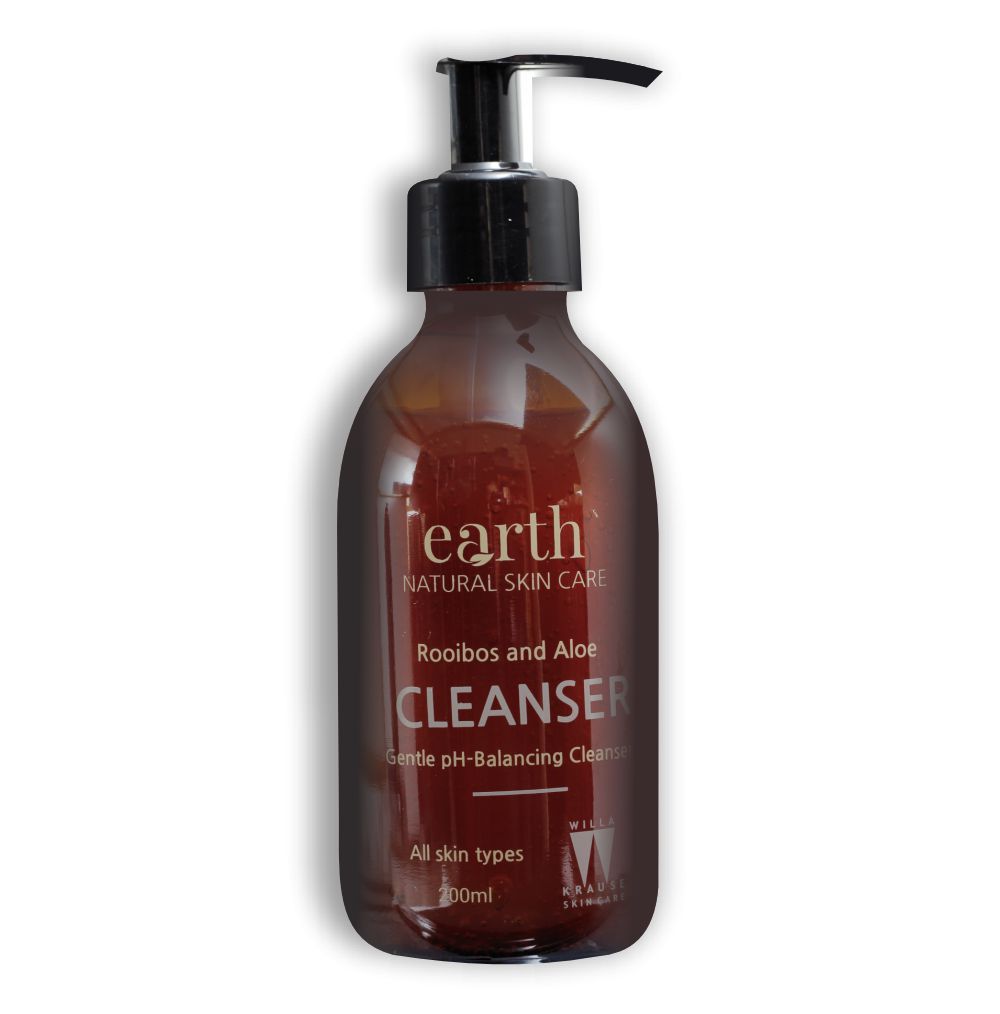
Earth Range Rooibos and Aloe Cleanser: pH-Balancing, Gentle, and Antioxidant-Rich
This daily cleanser from Earth Range is designed to do more than just wash your face. Its pH-balanced formula supports your skin’s natural barrier — crucial for keeping moisture in and irritants out. The fusion of botanical ingredients works in sync: rooibos extract delivers antioxidants that help neutralize daily environmental stress, while aloe vera soothes the skin and supports hydration.
What makes it stand out is its ability to cleanse thoroughly without stripping. That means no tightness or dryness after rinsing — just clean, calm skin that feels balanced and refreshed. Ideal for all skin types, especially those sensitive to harsh formulas or dealing with inflammation.
- Use antioxidants. Vitamin C and niacinamide help fight oxidative stress from UV and pollution.
- Hydrate and protect. Apply a light moisturizer and finish with sunscreen — even if you’re indoors.
Avoid heavy actives. Strong exfoliants or retinoids can make your skin more sensitive during its defensive phase.
Night Routine: Repair & Rebuild
- Double cleanse if needed. Get rid of SPF, makeup, and grime so your skin can focus on recovery.
- Use actives like retinoids or peptides. These support cell turnover and collagen production — both of which are ramping up at night.
- Apply richer moisturizers. Night is when your skin loses more water, so you may need more emollient support.
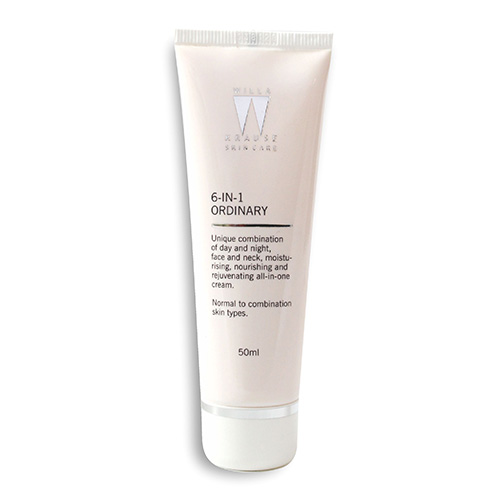
Willa Krause 6-In-1 Enriched Moisturiser: One Cream, Six Powerful Functions
This multitasking cream from Willa Krause Skin Care combines six essential skincare steps into one streamlined formula — working as a day cream, night cream, eye cream, neck cream, intensive moisturiser, and rejuvenating treatment. It’s designed for those who want simplicity without compromising on performance.
At the heart of the formula is a blend of plant-based lipids and deeply nourishing actives like cocoa seed butter and vitamin E. These ingredients work together to hydrate, protect, and restore skin’s natural glow. Cocoa butter supports elasticity and helps reduce UV damage and rough texture, while panthenol and ceratonia gum enhance moisture retention and skin softness.
The texture is rich but not heavy, creating a breathable barrier that locks in hydration and boosts ingredient absorption into deeper skin layers. Vitamin E provides antioxidant protection, supporting youthful skin and reducing the appearance of fine lines. Ideal for busy routines or minimalists who still want targeted care from a single product.
Consider barrier-repair ingredients. Ceramides, cholesterol, and fatty acids help restore strength while your skin is more permeable.
Timing Matters
Try to start your night routine at least 30-60 minutes before bed. That gives your skin time to absorb products before melatonin levels spike and overnight repair begins.
Small Habits That Support Your Skin’s Rhythm
Skincare alone won’t fix a disrupted rhythm. These daily choices can reinforce your body’s timing and improve your results over time.
- Keep a consistent sleep schedule. Even on weekends. Aim for 7–9 hours.
- Limit screen time at night. Or use blue light filters after sunset.
- Get natural sunlight early in the day. It helps reset your master clock.
- Avoid late-night meals. Digestion affects skin, too — and your gut has its own circadian clock.
What Research Is Showing Now
Circadian biology isn’t just a theory — it’s a growing area of research, and scientists are finding more links between time and skin function.
- Certain skin cells (like keratinocytes and fibroblasts) show clear 24-hour cycles in gene expression.
- Chronotherapy — the idea of timing treatments to match the body’s clock — is already used in some cancer treatments and is being studied for skincare.
- Some cosmetic labs are experimenting with “chronoactive” ingredients that activate or peak at certain times of day.
While a lot of this is still in early stages, one thing is clear: time matters.
Common Questions About Skin and the Circadian Rhythm
Should I change my products for day and night?
In many cases, yes. Day products should focus on protection — think antioxidants and SPF. Night is better for ingredients that boost repair, like retinoids and peptides.
Does sleep really impact skin that much?
It does. Not just because of rest, but because of what happens during sleep — cell turnover, collagen production, barrier repair. Disrupt that rhythm often enough, and it shows.
Is it bad to use actives in the morning?
Not always. Some people can tolerate morning AHAs or retinoids, but sensitivity and sun exposure can be issues. Your skin is better equipped for active treatments at night, when inflammation is lower and repair is higher.
Conclusion
Your skin doesn’t just react to what you put on it — it’s operating on a clock. That rhythm tells it when to defend, when to heal, and when to renew. When that clock gets thrown off, the effects show up on your face: slower healing, dryness, dullness, and more pronounced signs of aging.
The good news is that syncing with your skin’s timing doesn’t require a complicated routine. A few small changes — like consistent sleep, morning antioxidants, or smarter timing for actives can help your skin do what it’s already trying to do.
Let it work with time, not against it.