


Podcast
For most people, coffee is a ritual. It wakes you up, gives you focus, and kickstarts your day. But that cup you reach for each morning might be doing more than energising your brain. It could be affecting the health of your skin, specifically, your skin barrier.
The skin barrier is the outermost layer of your skin. It holds in moisture, keeps irritants out, and protects you from environmental stress. When it’s strong, your skin feels smooth and looks even. When it’s weak, you see flaking, tightness, redness, or breakouts. And as it turns out, your daily coffee habit may play a role in either supporting—or stressing—that barrier.
Let’s take a closer look at what coffee contains, how it interacts with your skin, and how to protect your barrier without giving up your favourite brew.
What’s in Your Coffee & How It Interacts with Skin
Coffee is complex. It’s not just caffeine and water. The way it affects your skin depends on its ingredients and how your body responds to them.
Caffeine: Stimulant and Stress Signal Booster
Caffeine stimulates the nervous system. That’s why you feel more awake after drinking it. But it also prompts your adrenal glands to release more cortisol, your body’s main stress hormone. In small amounts, that’s fine. But when cortisol stays high for long periods—because of multiple cups a day or already-high stress—your skin can suffer. Cortisol has been linked to increased oil production, disrupted sleep, and weakened repair functions in the skin.
Acidity and Skin pH
Coffee is naturally acidic. That acidity can increase the body’s internal acid load, especially if you drink it on an empty stomach. While the body is good at maintaining a stable pH, a steady intake of acidic drinks can affect some people’s skin, especially if they’re already prone to sensitivity. There’s no direct acid-to-skin route, but over time, this internal imbalance might influence your skin barrier’s function or inflammation response.
Polyphenols: The Good Guys
Here’s the part that surprises many people—coffee contains polyphenols, which are antioxidants. These compounds help fight free radicals, the unstable molecules that damage collagen and speed up skin aging. Some studies show that coffee polyphenols may actually help preserve skin barrier function, especially when consumed in moderate amounts. So coffee isn’t all bad news for your skin.
The Barrier Angle: How Coffee Can Help or Hurt
When we talk about coffee and your skin barrier, it’s not a black-and-white issue. The effects depend on quantity, frequency, and what else is going on in your routine.
Dehydration and Barrier Disruption
Caffeine is a diuretic, meaning it encourages your body to get rid of water. That can lead to dehydration—especially if you’re not drinking enough water to offset it. Dehydrated skin loses elasticity and radiance and becomes more prone to damage. The barrier weakens, making it harder to lock in moisture and protect against irritants. That’s when you start seeing tightness, flakiness, or inflammation.
Coffee Polyphenols and Barrier Support
In contrast, research suggests that polyphenols found in coffee can help slow down barrier deterioration. They seem to protect against oxidative stress and may reduce inflammation in the skin. The catch? The benefits come from moderate consumption and possibly more from black coffee than sugar-loaded lattes. Also, not everyone reacts the same way—some people tolerate coffee well, others see flare-ups within days.
Collagen Breakdown and Aging Risk
High caffeine levels, paired with increased cortisol, may interfere with collagen production. Over time, this can make the skin thinner, less elastic, and slower to heal. That’s not a direct assault on the barrier, but it affects the skin’s ability to regenerate and bounce back, which eventually influences how strong the barrier feels and performs.
Hormones, Stress & Inflammation
Your body doesn’t work in compartments. Stress, sleep, hormones, and skin all interact and coffee influences most of them.
Cortisol and Sebum Production
Cortisol doesn’t just affect your mood or energy. It also ramps up sebum (oil) production in the skin. For some, this means extra glow. For others, it means breakouts. If you’re already prone to acne or sensitivity, coffee might tip the balance just enough to trigger flare-ups, especially if you add sugar and milk, which both have their own inflammatory effects.
Inflammation Pathways
Some studies link regular caffeine intake to mild, chronic inflammation. That doesn’t mean one cappuccino will cause issues, but in people with inflammatory skin conditions (like eczema or rosacea), that added stress might be enough to worsen symptoms or slow healing. When the body is inflamed, the skin barrier often becomes thinner and more reactive.
Sleep, Skin Repair, and Coffee Timing
If you’re drinking coffee in the late afternoon or evening, your sleep quality might take a hit. Poor sleep interrupts your skin’s overnight repair cycle. That’s when your skin regenerates collagen, balances hydration, and restores barrier lipids. If sleep is consistently disrupted, your barrier may weaken, and you might start to see signs like roughness or dullness—no matter how many serums you’re using.
Additives & Coffee Habits That Matter
Coffee itself isn’t the only thing to think about. What you add to it—and how you drink it—can affect your skin barrier too.
Milk, Cream, and Sugar
Dairy contains hormones and growth factors that may influence acne in some people. Sugar spikes your blood glucose, which can contribute to glycation—a process that stiffens collagen and weakens skin structure. Combined, milk and sugar may increase inflammation and oil production, both of which affect your barrier’s strength and resilience.
Brew Type and Strength
Cold brew tends to be less acidic than regular drip or espresso. That can be easier on sensitive systems. Black coffee without sweeteners or cream is also less likely to disrupt your internal balance. On the other hand, heavily sweetened or flavoured coffee drinks might taste great but act more like dessert—with similar effects on the skin.
How Often, How Much
One cup of coffee a day, especially with water and a balanced diet, isn’t likely to cause issues. But if you’re drinking several cups a day without proper hydration, skipping meals, or adding lots of extras, the cumulative impact may show up on your skin sooner than you’d expect.
How to Enjoy Coffee While Supporting Your Barrier
You don’t have to quit coffee completely to keep your skin healthy. A few changes can reduce the risk to your skin barrier while keeping your morning habit intact.
Hydrate Before and After
Start your day with a glass of water before your coffee. Then have another afterwards. This helps offset the dehydrating effects of caffeine and supports your skin’s water balance. Adding electrolytes or herbal teas later in the day can also help if you’re feeling dry or tight.
Support Your Barrier Topically
Use products that contain ceramides, fatty acids, and humectants like hyaluronic acid. These ingredients help reinforce your skin’s natural moisture barrier and reduce the impact of dehydration or irritation from other sources. A well-hydrated barrier reflects light better and holds up under stress.

The Willa Krause Sensitive Skin Calming Serum is a lightweight, fast-absorbing formula created to support skin that reacts easily or feels consistently irritated. Packed with barrier-strengthening ceramides and soothing botanical extracts, it helps reduce visible redness and calm discomfort while restoring essential hydration.
Designed with microbiota support to reinforce the skin’s natural defences, this serum is gentle enough for even the most reactive complexions. Fragrance-free and non-comedogenic, it’s safe for use on both the face and body—anywhere inflammation or sensitivity shows up. Ideal for daily use to help maintain a calm, balanced skin barrier.
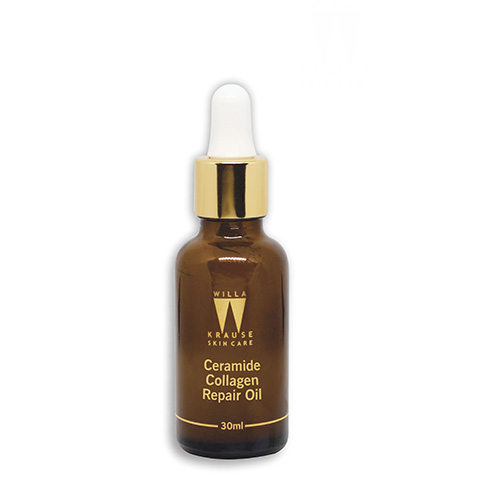
Ceramide Collagen Repair Oil is a lightweight, fast-absorbing facial oil designed to support firmer, smoother skin. Enriched with ceramides—key lipids naturally found in all layers of the epidermis—this formula helps reinforce the skin’s barrier, lock in moisture, and reduce visible signs of aging. It works to support natural collagen production, making it effective for softening fine lines and improving overall skin texture.
This oil also soothes redness and inflammation, making it an excellent option for dry, sensitive, or eczema-prone skin. Ideal for the face and neck, it leaves skin feeling plump, resilient, and comfortably hydrated.
Watch Your Timing
Stick to coffee in the morning and avoid caffeine after 2 p.m. if possible. This protects your sleep cycle and supports overnight skin repair. If you’re particularly sensitive to caffeine, switching to half-caf or herbal options might make a noticeable difference in your skin over time.
Boost with Antioxidants
If you love coffee for its antioxidants, consider pairing it with a vitamin C serum in your morning skincare routine or including antioxidant-rich foods like berries, leafy greens, and nuts in your breakfast. That way, you’re giving your skin support from both inside and out.
When to Watch for Warning Signs
Everyone’s skin reacts differently. The key is knowing what to look for when something might be off.
Persistent Dryness or Flaking
If your skin feels tight, looks dull, or starts flaking—even with moisturiser—that could be a sign your barrier is compromised. This might mean it’s time to cut back on caffeine or increase your water and healthy fat intake.
Breakouts in New Areas
If you’re breaking out in places you normally don’t (like your cheeks or around your mouth), consider what you’ve changed recently. Increased coffee intake, new creamers, or added sugars could be contributing factors.
Increased Sensitivity or Redness
When your barrier is weak, your skin overreacts to things it used to handle just fine—wind, heat, fragrance. If that’s happening, reducing coffee and boosting barrier care may help restore balance.
Not Sure? Ask a Professional
If you’re struggling with skin that won’t calm down, even after adjusting your habits, it might be time to consult a skincare expert. They can help assess whether your coffee intake—or something else—is playing a bigger role than you think.
FAQs
- Can coffee applied topically affect the skin barrier?
Yes. Coffee-based scrubs or masks can offer antioxidant benefits, but overuse—especially physical scrubs—can disrupt the skin barrier. Look for gentler formulations if using coffee in skincare.
- Is there a difference between instant coffee and brewed coffee in how it affects skin?
Instant coffee often has fewer polyphenols and may contain additives. Brewed coffee generally offers more antioxidants, which may provide better skin-supporting effects when consumed in moderation.
- Does decaf coffee still impact the skin barrier?
Decaf has less caffeine, which means a lower risk of dehydration or cortisol spikes. However, it still contains acids and polyphenols, so some effects—positive or negative—may still apply.
- Are there coffee alternatives that support the skin barrier better?
Drinks like matcha, chicory root, or roasted dandelion tea offer antioxidant benefits without the same dehydration or cortisol effects, making them gentler on the skin barrier.
- How can I tell if my skin issues are coffee-related?
Track your skin changes for 2–3 weeks while reducing or eliminating coffee. Improvements in hydration, breakouts, or redness during that period can indicate a link.
Conclusion
Your morning coffee isn’t just a habit—it’s a chemical event with ripple effects that reach your skin. From dehydration to hormone shifts to antioxidant support, what’s in your cup can influence how your barrier holds up. That doesn’t mean you need to give it up. It just means paying attention—hydrating, balancing your diet, and watching for signs your skin might be asking for a little extra care.
Contact your nearest Willa Krause salon or consultant for professional, personalised advice that’s tailored to your unique skin story.