


Podcast
There’s a reason why “glowing skin” gets so much attention – it signals health, vitality, and balance. But glow isn’t just a trend or a filter effect. It’s a real, measurable phenomenon rooted in how your skin reflects and refracts light.
Radiance happens when several biological systems are functioning well, your barrier is intact, hydration is steady, inflammation is low, and your surface is smooth enough to bounce light in the right way.
This isn’t just about looking good. Radiance reflects how well your skin is functioning. So if yours looks dull, uneven, or tired, your body might be trying to tell you something. Let’s break down what radiance really means on a biological level and how to support it.
Key Notes:
- Smooth texture and hydration help skin reflect light evenly for visible radiance
- A healthy barrier locks in moisture and supports light reflection
- Glow depends on subsurface scattering, not surface oil or shine
- Internal factors like diet, sleep, and stress directly influence skin’s glow
- Gentle, consistent routines protect collagen and reduce dullness over time
What “Glow” Really Means: the Physics of Light & Skin
Your skin glows when light hits it, reflects evenly off the surface, and scatters just enough in the layers below to give that soft-focus effect. That process depends on both structure and chemistry.
Surface Reflection vs Subsurface Scattering
Light doesn’t just bounce off your skin. Some of it reflects at the very top layer, while the rest travels into the skin, bounces around, and then exits. This second process—subsurface scattering—adds depth and softness to the way your skin appears.
Diffuse Reflectance & Spectral Radiance
When skin reflects light in many directions (instead of just one), we call that “diffuse reflectance.” That’s what gives your skin that lit-from-within look. It’s affected by smoothness, oil balance, and hydration. Too much oil creates shine. Too little creates dullness. That balance is where glow lives.
Texture and Smoothness
If your skin is rough, flaky, or uneven, light will scatter in odd ways, breaking up any chance of radiance. Smooth skin reflects light more evenly, which is why barrier health and gentle exfoliation are so important.
The Skin Barrier & Radiance: Why the Outside Layer Matters
Your skin barrier isn’t just a wall, it’s more like a living filter. When it’s healthy, it seals in moisture, protects against irritants, and keeps bacteria balanced. When it’s weak, your skin can’t hold hydration, can’t reflect light evenly, and often looks red, dry, or tired.
Structure of the Stratum Corneum
This topmost layer is made of dead skin cells (the “bricks”) surrounded by lipids (the “mortar”). If that structure breaks down—because of harsh cleansers, over‑exfoliation, or environmental stress—your skin becomes rough, dull, and more vulnerable to damage.
Lipids, Ceramides & Acid Mantle
Ceramides, fatty acids, and cholesterol are the key lipids that hold the barrier together. They keep moisture in and irritants out. The acid mantle, a thin film on the surface, helps keep the pH low, which supports your skin’s natural flora and enzymatic activity.
Microbiome & Barrier Interplay
Your skin is covered in bacteria that help maintain balance. When that ecosystem is disrupted (by stress, antibiotics, or stripping products), it affects not just health but appearance. Inflammation rises, healing slows, and texture worsens—all of which dull radiance.
Hydration, Water Gradients & Glow
Hydration is one of the fastest ways to impact radiance. Not because it adds shine, but because it affects how plump and smooth your skin looks. Well-hydrated skin reflects light better and feels more elastic.
Trans‑Epidermal Water Loss (TEWL)
Your skin constantly loses water through evaporation. A healthy barrier slows that loss. But when the barrier is damaged, TEWL increases. That’s when your skin starts to feel dry from the inside, even if you’re applying moisturizer.
Humectants, Osmolytes & Moisture Retention
Ingredients like glycerin, hyaluronic acid, and betaine draw water into the skin. Occlusives like squalane or shea butter help seal it in. Without both steps—attract and lock—you’re just hydrating temporarily.
How Dehydration Dulls Radiance
When your skin lacks water, it looks flatter and more textured. Lines show more, rough patches form, and overall tone becomes uneven. This is often the first thing people notice when they say their skin looks “tired.”
Dermal Infrastructure & Internal Support
Your glow doesn’t just depend on the outer layer. The deeper structure—where collagen and elastin live—also plays a role in how light bounces back.
Collagen, Elastin & Light Diffusion
Collagen gives your skin firmness; elastin gives it stretch. When these proteins are strong and abundant, your skin reflects light in a more diffused way—soft but bright. Aging, inflammation, and UV damage break down both over time.
Role of Antioxidants & Inflammation Control
Free radicals (from UV, pollution, or internal stress) chip away at your collagen and trigger chronic inflammation. That low‑level irritation can thicken the skin, darken pigmentation, or increase redness, all of which blunt radiance.
Pigmentation and Evenness in Radiant Skin
Uneven melanin distribution—whether from sun, inflammation, or hormonal shifts—can cast shadows or create contrast that interferes with even light reflection. Bright skin isn’t about being pale; it’s about being even-toned.
What Disrupts Radiance (and How to Guard Against It)
Skin dullness can creep up slowly. It’s usually a combination of small stressors that add up over time. Here are a few common ones:
Over‑Exfoliation & Barrier Stripping
Too much exfoliation can thin your barrier, increase TEWL, and create invisible cracks in the surface. That leads to roughness and sensitivity—not glow. Use acids or scrubs sparingly and always follow with barrier-repair steps.
UV, Pollution & Oxidative Stress
Sunlight damages collagen and creates pigmentation. Pollution increases free radical activity and inflammation. Both speed up skin aging and dullness. Daily sunscreen and antioxidant support (like vitamin C or ferulic acid) are essential.
Poor Nutrition, Sleep & Internal Stress
Your skin renews overnight. If you’re not sleeping well or eating poorly, your repair processes slow down. High sugar diets, nutrient gaps (like low omega‑3s or zinc), and chronic stress can all show up in the mirror.
How to Support Glow: Routine + Habits
Radiance isn’t about perfection. It’s about balance—hydration, structure, renewal, and calm. Here’s what supports that consistently:
Gentle Cleansing & Barrier‑Friendly Formulas
Avoid foaming cleansers with harsh sulfates. Look for low pH formulas that support the acid mantle. Don’t double-cleanse unless you wear heavy makeup or sunscreen. Less is often more.
Hydration Layers: Humectants + Occlusives
Start with a watery toner or serum with humectants. Layer a moisturizer with both water-trapping and sealing ingredients. And if your climate is dry, seal everything with a final layer like a balm or oil.
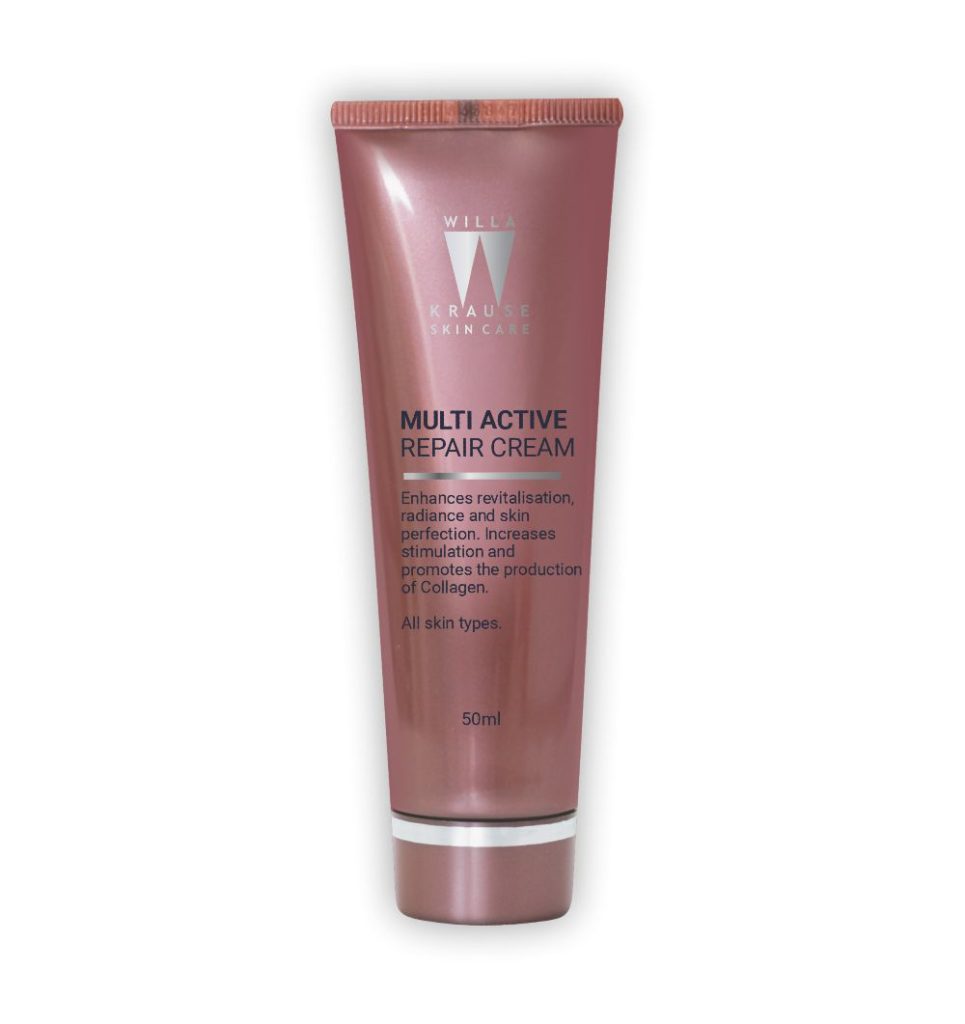
The Willa Krause Multi Active Repair Cream is a high-performance recovery formula designed to support skin healing, boost collagen production, and improve overall skin tone and texture. Ideal for all skin types, this cream combines deeply hydrating and protective ingredients to restore barrier strength and promote visible radiance. Saccharide Isomerate provides 72-hour hydration and soothes irritation, while silk amino acids help bind moisture and smooth the skin’s surface.
The inclusion of Buddleja Davidii extract helps defend against environmental stress and inflammation, and a unique botanical blend targets sebum regulation and supports skin clarity. Rich plant oils like jojoba, wheat germ, and evening primrose deliver essential fatty acids and antioxidants to repair and soften damaged or dry skin.
With sodium ascorbyl phosphate, a stable vitamin C derivative, this cream also supports collagen formation and brightens skin tone. Multi Active Repair Cream is especially effective for post-burn care, compromised skin, or anyone needing intensive moisture and barrier repair.
Antioxidants, Peptides, Mild Exfoliants
Vitamin C supports collagen and reduces pigmentation. Niacinamide can improve texture and brighten uneven tone. Peptides may help signal repair. Use mild exfoliants (lactic, mandelic acid) 1–2 times per week, not daily.
Sun Protection & Environmental Defense
SPF is non-negotiable. Use at least SPF 30 every morning, even on cloudy days. Pair it with antioxidants in the morning to neutralize stress from UV and pollution.
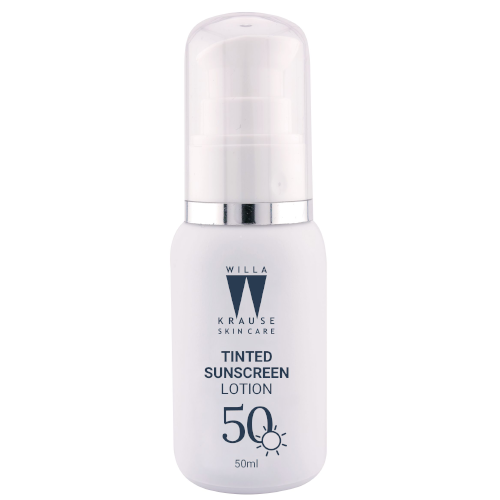
The Willa Krause Tinted Sunscreen SPF 50 offers high-level, broad-spectrum protection while delivering a smooth, natural finish that suits most skin tones. Formulated with mineral sun filters—Zinc Oxide and Titanium Dioxide—it shields skin from UVA, UVB, blue light, and infrared rays without causing irritation or leaving a white cast.
The lightweight, non-greasy texture blends easily and provides subtle coverage with a matte effect, making it ideal for daily wear. Infused with hydrating oils like coconut, jojoba, argan, and Kalahari melon, it nourishes the skin while offering effective sun protection.
Its water-resistant formula ensures long-lasting defense, especially during outdoor activity or swimming. This sunscreen not only protects but also supports skin comfort and hydration throughout the day.
Internal Care: Diet, Sleep, Stress, Gut Health
Eat a variety of whole foods with healthy fats, fiber, and antioxidants. Sleep consistently. Manage stress with movement or breathing techniques. And pay attention to your gut—imbalances there often show up in your skin.
When to Seek Professional Help
If your skin still lacks glow after trying the basics, it might be time for expert support.
Professional Treatments
Light therapy (like LED red light), chemical peels, microneedling, or laser resurfacing can help boost radiance by stimulating collagen, improving texture, and brightening pigmentation.
Skin Analysis & Barrier Repair Protocols
A trained skin therapist can spot patterns you might miss—like subtle barrier damage, under‑exfoliation, or product conflicts. They can guide you to routines and products that work for your unique skin type and concerns.
FAQs
- Can facial massage actually improve skin glow?
Yes, regular facial massage boosts circulation and lymphatic flow, which can reduce puffiness and promote better oxygen and nutrient delivery to skin cells—leading to a more radiant appearance over time.
- Do hormonal changes affect how radiant your skin looks?
Absolutely. Shifts in estrogen, testosterone, and cortisol levels can influence oil production, hydration, and pigmentation—each of which plays a role in how light reflects off your skin.
- Is dullness more common in certain skin tones or types?
Not necessarily, but it can look different. In deeper skin tones, dullness may appear as ashy or uneven tone, while in lighter skin tones, it may look pale or blotchy. The root causes—like barrier damage or dehydration—are often the same.
- Can using too many glow-boosting products backfire?
Yes. Overusing actives like acids, vitamin C, or exfoliants can strip the barrier, leading to sensitivity, uneven texture, or inflammation—which actually makes skin look less radiant.
- Does the type of water you wash your face with matter?
It can. Hard water with high mineral content may leave residue on the skin, disrupt pH balance, and dry out the surface—especially if not followed with proper moisturization. This can contribute to dullness or rough texture.
- How quickly can someone realistically expect to see improved glow with a new routine?
If the barrier is intact and products are chosen wisely, visible improvements can start within 1–2 weeks. For deeper results—like collagen support or pigmentation balance—4 to 8 weeks is more realistic.
Conclusion
Glowing skin isn’t just about what you put on it. It’s a reflection of hydration, barrier strength, even tone, and smooth surface texture, all working together. When your skin reflects light in a soft, even way, it signals balance. And balance is something you can support with smart routines, good habits, and sometimes, expert help.
Contact your nearest Willa Krause salon or consultant for professional, personalised advice that’s tailored to your unique skin story.